


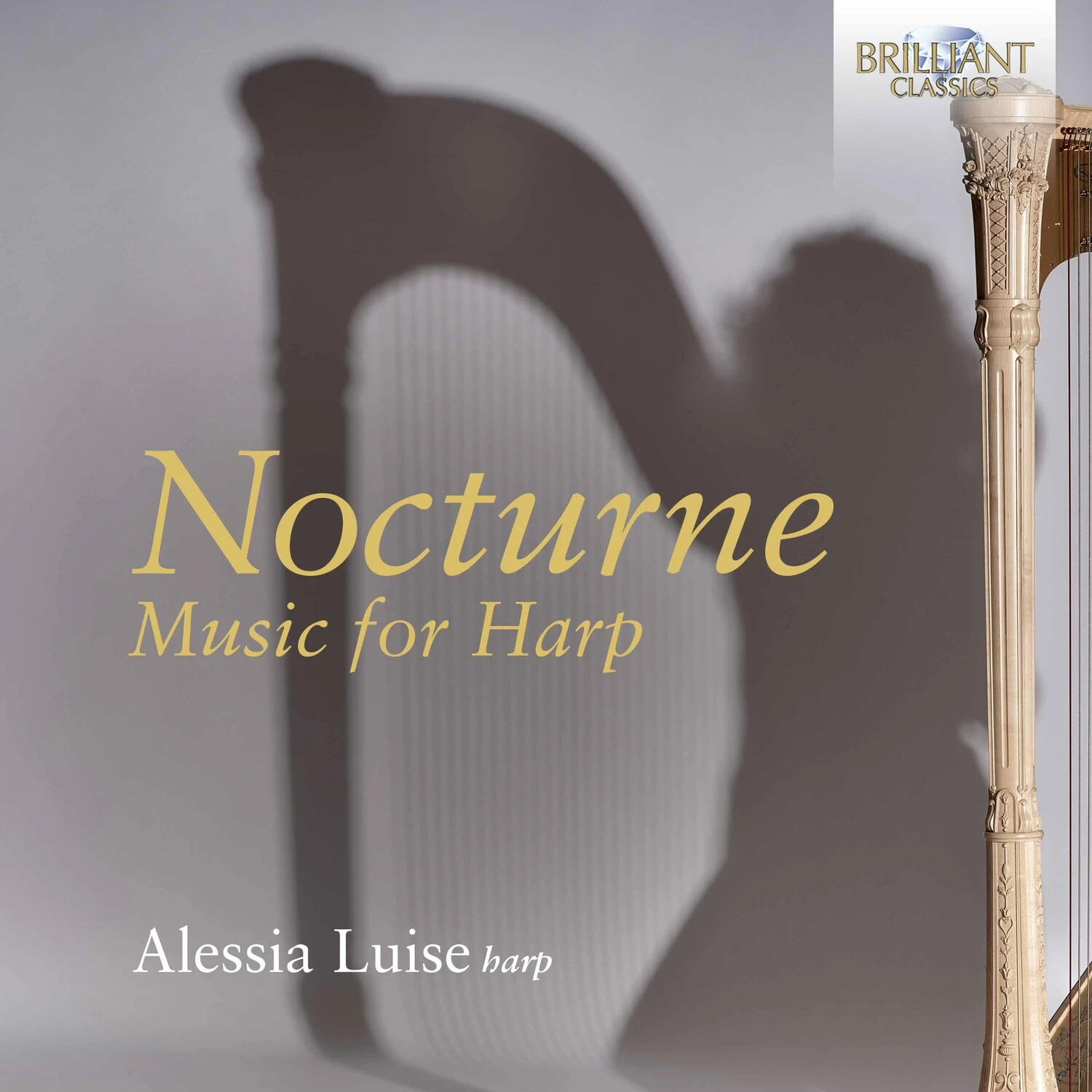
[CD] ALESSIA LUISE - NOCTURNE: MUSIC FOR HARP
Leave feedback on the product

Product code: 5028421964980
Opis
- W naszym sklepie znajdziesz tylko nowe płyty
- Kupując płytę, sprawdź poniżej spodziewaną datę jej premiery
- Sprawdź również sugerowaną datę wysyłki
- Preordery wysyłamy w ciągu 10 -15 dni roboczych od dnia premiery, z zastrzeżeniem, że data premiery może się zmienić, co jest od nas niezależne
- Jeśli wybrałeś/-łaś odbiór osobisty, poczekaj na maila z informacją, że płyta jest gotowa do odbioru
- Ten tytuł jest importowany z USA; czas wysyłki w związku z tym może być wydłużony
Alessia Luise - NOCTURNE
Format: CD
Label: BRILLIANT CLASSICS [5028421964980]
RELEASE DATE: January 7, 2022
Opis:
A meticulous, focused search for sound informs the selection of pieces on this recital, a voyage through 19th-century European music, in the vehicle of the nocturne, along the route of harp transcriptions. In these works, the composers capture night as a sliver of time, evoking the intimate and introspective side of the Romantic spirit. Night is also a metaphor for transformation, from darkness to light, for transcription from one musical instrument to another. For this 'reduction of a big thought to a practical instrument', as Ferruccio Busoni put it in 1913, the harp was a popular choice, particularly in the late 19th century, when the instrument's repertoire was augmented by a number of excellent transcriptions and reductions by renowned harp teachers and performers. Beethoven's 'Moonlight' Sonata provides the ideal starting point for a sonic journey through the light and dark of the Romantic spirit. Czerny's short arabesques, Der Abend und die Nacht, continue the theme of twilight and night-time fantasy. Irishman John Field did not invent the nocturne, but he was responsible for the 'crystallization of an idiom' that, a generation later, Chopin would take to new heights. The second movement of Brahms's Piano Sonata No.3 evokes a nocturne, but on a larger scale. Debussy's Clair de lune envelops the listener in a night freed from traditional formal structures, providing a brief escape from the 18th-century style of the preceding movements. His Nocturne in D flat, on the other hand, transports us back to Romanticism, it's mysterious bass octaves and tender arpeggios leading to a melody of expansive, Chopinesque lyricism, which stands out above the changes in harmonic color. With it's pure, abstract sonority the concise Les Soirs illumineìs par l'ardeur du charbon presents night as verging on silence.
Opinie
If you've added a review and it doesn't appear on the list, it may be pending moderation.
Leave feedback on the product
