

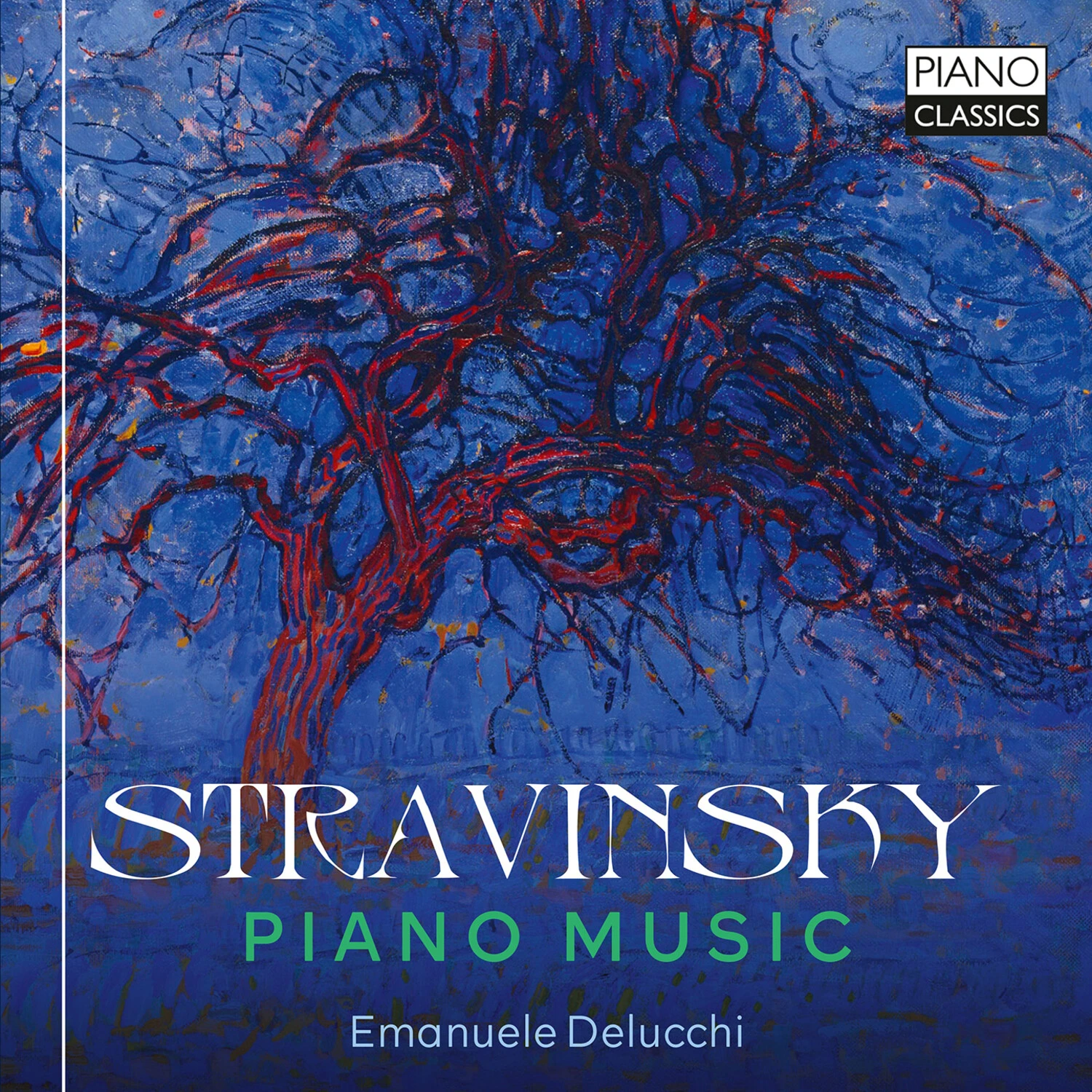
[CD] EMANUELE DELUCCHI - STRAVINSKY: PIANO MUSIC
Leave feedback on the product

Product code: 5029365101691
Description
- W naszym sklepie znajdziesz tylko nowe płyty
- Kupując płytę, sprawdź poniżej spodziewaną datę jej premiery
- Sprawdź również sugerowaną datę wysyłki
- Preordery wysyłamy w ciągu 10 -15 dni roboczych od dnia premiery, z zastrzeżeniem, że data premiery może się zmienić, co jest od nas niezależne
- Jeśli wybrałeś/-łaś odbiór osobisty, poczekaj na maila z informacją, że płyta jest gotowa do odbioru
- Ten tytuł jest importowany z USA; czas wysyłki w związku z tym może być wydłużony
Emanuele Delucchi - PIANO MUSIC
Format: CD
Label: PIANO CLASSICS [5029365101691]
RELEASE DATE: May 26, 2023
Opis:
'Delucchi has done us a great service', noted Fanfare magazine in January 2022 after the release of his Czerny album (PCL10204) on Piano Classics. This young Italian pianist continues to go from strength to strength and to broaden his already diverse catalogue of recordings for the label - spanning Bach, Godowsky and his own music - with this new album of Stravinsky's works for the piano. The music of Stravinsky, like Beethoven, unmistakably bears the imprint of being composed at the piano - think of the pounding chords of The Rite of Spring or for that matter the delicate right-hand traceries in a later ballet such as Orpheus. However, the composer wrote relatively little dedicated to his own instrument. There are concertante works such as the Capriccio, composed as much as anything to give him something to play, to tour with and earn valuable income from in his appearances with orchestras on both sides of the Atlantic. The solo music is more niche, but no less characteristic, every note a Stravinsky note as Elliott Carter remarked. The Cinq doigts (Five Fingers) of 1921 were composed for a recording - probably the first-ever piece of music specifically written for that purpose - though the recording itself was lost until recently. Much of Stravinsky's piano style is influenced by the records of ragtime which were brought back for him from New York around that time, including the rippling pianola textures and cross rhythms of the Sonata from three years later. Nearly all of these pieces belong to the Stravinsky of the 1920s - a figure of coruscating brilliance who could draw all music from the past to himself and make it his own. Counterpoint, hymn and a spirit of relaxed nonchalance all pervade the Serenade of 1925, while the brief Etudes encapsulate the glittering virtuoso tradition of Liszt and his successors within a few minutes. The rarity here is a transcription of the chorale from the Symphonies of Wind Instruments, which Stravinsky expeditiously made for a magazine tribute to the memory of Debussy.
Reviews
If you've added a review and it doesn't appear on the list, it may be pending moderation.
Leave feedback on the product
