


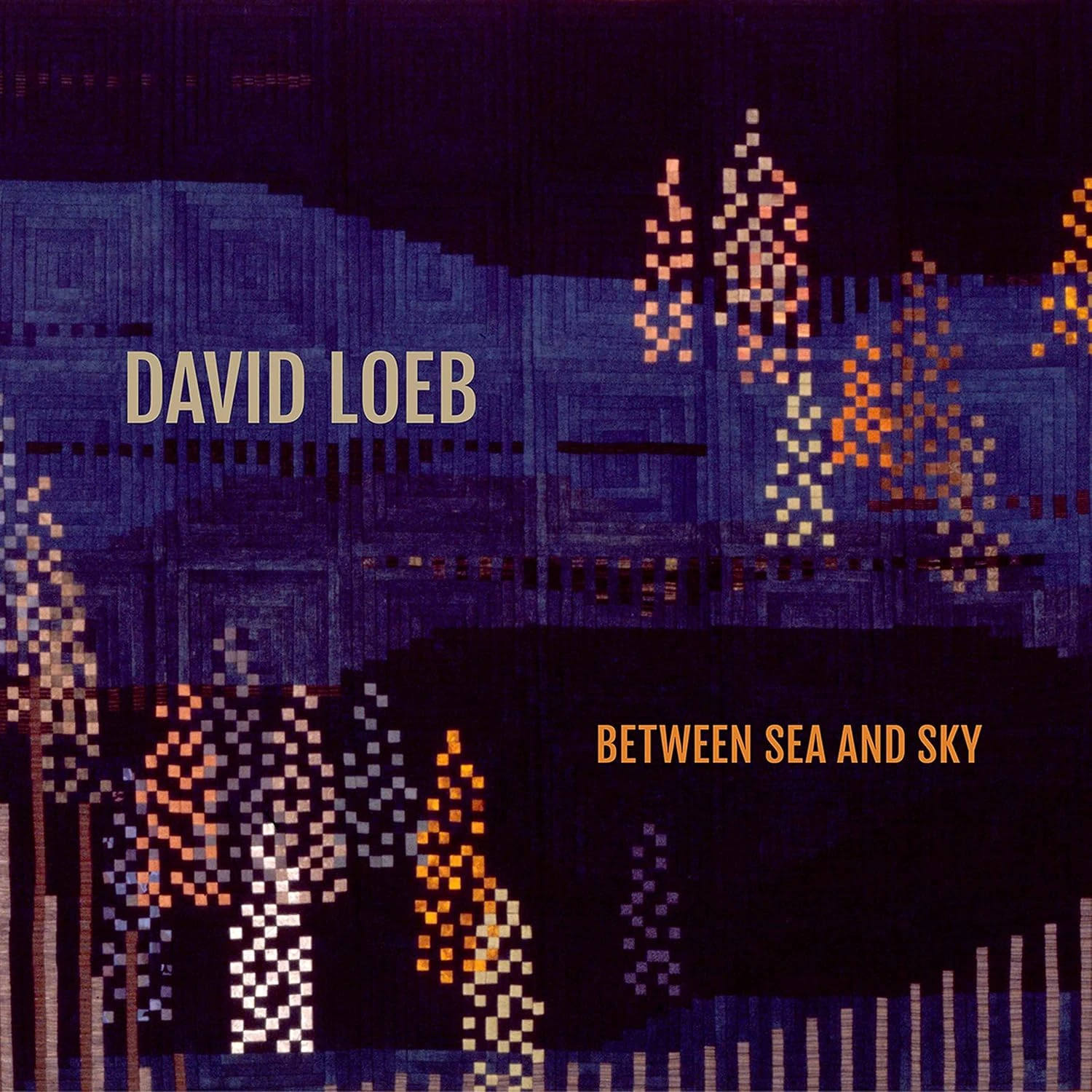
[CD] YUKIMI KAMBE VIOL CONSORT; VILIAN IVANTCHEV; DANIEL LEWIS - LOEB: BETWEEN SEA & SKY
Wystaw opinię o produkcie

Kod produktu: 0600116682826
Opis
- W naszym sklepie znajdziesz tylko nowe płyty
- Kupując płytę, sprawdź poniżej spodziewaną datę jej premiery
- Sprawdź również sugerowaną datę wysyłki
- Preordery wysyłamy w ciągu 10 -15 dni roboczych od dnia premiery, z zastrzeżeniem, że data premiery może się zmienić, co jest od nas niezależne
- Jeśli wybrałeś/-łaś odbiór osobisty, poczekaj na maila z informacją, że płyta jest gotowa do odbioru
- Ten tytuł jest importowany z USA; czas wysyłki w związku z tym może być wydłużony
Antonin Hradil - BETWEEN SEA & SKY
Format: CD
Label: FURIOUS ARTISANS [0600116682826]
RELEASE DATE: March 18, 2022
Opis:
This is a composer-focused release of works by David Loeb, emphasizing his guitar music, but also including pieces for viols, and for Japanese mouth organ, clarinet quartet, and violin with string orchestra. The composer writes: "My formal studies (1959-1964) coincided with the midpoint of that thankfully brief time when twelve-tone and serial techniques seemed to dominate the world of composition. Authoritative persons and colleagues frequently admonished the few of us who stubbornly rejected the true faith, predicting marginalization and total obscurity as our fates. Many young composers studied Webern and Schoenberg scores with scriptural reverence, absorbing techniques and procedures which they unswervingly followed. In art, unlike politics, one achieves nothing only by opposition; one must find objectives to work for or toward: quaint old-fashioned ideas such as beauty, emotion, recognizable craft, purity, and even spirituality (not necessarily religious), precisely those qualities which continually draw us back to the great masters of the past. Modernity or originality seem far more ephemeral. Sometimes I remind colleagues or students that if our music survives into the distant future, historical performance musicians, not contemporary ensembles will perform it. In 1964 I began composing for early instruments and Japanese instruments. Integrating these aspects into my musical language did not present problems. When I first used secular Sephardic melodies in 1978, they also fit in effortlessly. Those early hybrid melodies simply added new ingredients to my extant multicultural stew. The limited number of pitches in diverse Asian scales or early Western modes never constrains me, rather it enhances purity. In those contexts, dissonances provide useful contrasts rather than a gray uniformity. Such music succeeds in it's own way, much as great monochrome art (drawings, etchings, sculptures, black-and-white photography) never leaves us yearning for color."
Opinie
Jeśli dodałeś/-aś recenzję, a nie pojawiłą się na liście, być może oczekuje na moderację.
Wystaw opinię o produkcie


 Zaloguj przez Facebooka
 Zaloguj przez Google
